
There is a quiet transformation occurring in the spaces where we seek knowledge. For decades, the ideal of education was a singular path, a well-trodden road that every student was expected to walk at the same pace, regardless of the weight they carried or the length of their stride. We accepted the limitations of the classroom because the alternative—true, bespoke mentorship for every individual—seemed an impossible luxury. Yet, as we stand at the intersection of pedagogy and technology, the integration of Artificial Intelligence is beginning to breathe life into that once-distant dream of personalised learning.
Reflecting on this shift, it is clear that we are moving away from the era of the 'average student.' In the eyes of an algorithm, there is no such thing as average; there is only a unique collection of strengths, hesitations, and moments of clarity. AI-powered tutoring does not merely digitise the textbook; it observes the learner with a level of granularity that was previously reserved for the most attentive human tutors. It is a partnership that asks us to reconsider what it means to be taught and what it means to truly understand.
Beyond the One-Size-Fits-All Model
The traditional educational structure often feels like a conveyor belt. Information is delivered in a linear fashion, and if a student misses a crucial concept in week three, the gap persists, widening as the weeks progress. AI disrupts this linearity. In a personalised learning journey, the curriculum becomes fluid. It expands where the student struggles and accelerates where they excel, ensuring that the foundation is solid before the next layer of complexity is added.
The Nuance of Individual Pace
Pacing is perhaps the most human element of learning, yet it is often the first thing sacrificed in a group setting. Some of us need to linger on a mathematical theorem, turning it over in our minds until the logic clicks into place. Others might grasp a linguistic concept instantly but require more time to apply it in context. AI-powered platforms act as a silent companion in this process, adjusting the flow of information in real-time. This isn't just about speed; it is about the dignity of learning at a rhythm that respects the individual’s cognitive load.
Data as a Compass for Growth
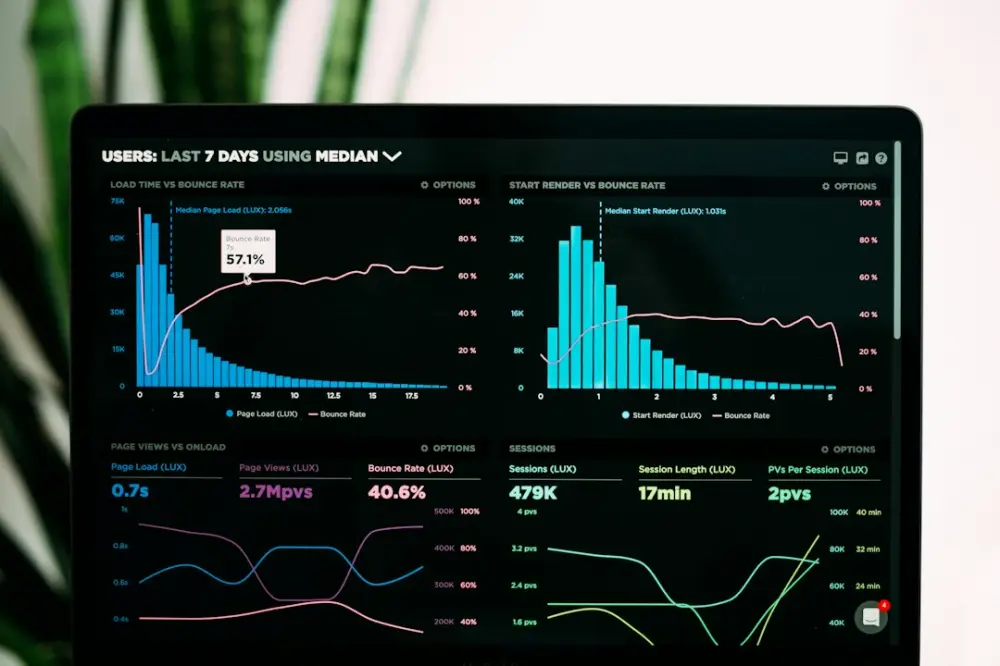
To the sceptic, the word 'data' can feel cold and clinical, far removed from the warmth of a classroom. However, when we view data as a mirror, it becomes a powerful tool for self-reflection. By understanding learning processes through the lens of objective feedback, both the tutor and the student can see patterns that were once invisible. We can identify exactly when a student’s focus wanes or which specific type of problem triggers a sense of frustration.
Predictive Insights and Proactive Support
The true magic of AI in tutoring lies in its ability to be proactive rather than reactive. Instead of waiting for a failed exam to signal that a student is struggling, AI can detect the subtle precursors to misunderstanding. It can see the hesitation in a cursor movement or the repeated reviewing of a specific paragraph. By flagging these moments, the technology allows for an intervention that is timely and precise, preventing the discouragement that so often leads to a disengagement from the subject matter entirely.
The Symbiosis of Human and Machine
One of the most profound reflections to emerge from this integration is the changing role of the human educator. There is a common fear that AI will render the teacher obsolete, but the reality is more nuanced. By automating the rote tasks—the grading, the basic drills, the scheduling—AI frees the tutor to focus on what only a human can provide: empathy, inspiration, and the navigation of complex, open-ended questions. The machine handles the 'what' and the 'how,' leaving the 'why' to the mentor.
From Information Provider to Learning Architect
In this new landscape, the tutor becomes an architect of experiences. They use the insights provided by AI to craft deeper discussions and to challenge the student in ways that an algorithm cannot yet conceive. This synergy creates a learning environment that is both data-informed and soul-led. It allows the tutor to step away from the whiteboard and sit beside the student, guiding them through the emotional hurdles of academic growth while the AI maintains the structure of the journey.
Navigating the Ethical Landscape
As we embrace these tools, we must also tread carefully. The integration of AI into such a personal journey as learning brings with it a heavy responsibility. We must ask ourselves who owns the data being generated and how it is being used to shape the student’s future. There is a risk that an algorithm, if not carefully designed, could pigeonhole a learner based on past performance, failing to account for the sudden, unpredictable leaps of growth that define the human experience.
We must ensure that the AI remains a tool for empowerment rather than a mechanism for surveillance. The goal of personalised tutoring should always be to expand a student’s horizons, not to narrow them into a predictable path. Transparency in how these systems make decisions is vital; the 'black box' of AI has no place in a setting where we are trying to foster critical thinking and intellectual autonomy.
A Future Rooted in Connection
Ultimately, the integration of AI in personalised learning journeys is not a story about machines; it is a story about people. It is about our desire to be seen and understood in our pursuit of knowledge. It is about using every tool at our disposal to ensure that no mind is left to struggle in the shadows of a system that wasn't built for them. As we look forward, the promise of AI-powered tutoring lies in its ability to make education more inclusive, more responsive, and more profoundly human.
The journey of learning is one of the most intimate experiences we undertake. By weaving technology into this process, we aren't replacing the spark of curiosity; we are providing it with the oxygen it needs to burn more brightly. As we continue to refine these digital companions, we do so with the understanding that the most successful learning journeys will always be those that balance the precision of the algorithm with the warmth of human connection.